Lab Life Expectancy: Extending Furry Friends’ Years Through Science

Labradors live 10-12 years on average, with some reaching 14+ years; diet, exercise, and genetics are key factors, and proper care can extend their lifespan.


Labradors live 10-12 years on average, with some reaching 14+ years; diet, exercise, and genetics are key factors, and proper care can extend their lifespan.

Studying abroad can be one of the most rewarding experiences of your college years. Not only do you get to explore new cultures, but you also gain invaluable skills and perspectives that can shape your future. Navigating through the myriad…

This article explores key futurism resources and thinkers.

Train wheels, designed with conical shapes and flanges, evolved from simple designs to high-tech marvels to ensure smooth, safe turns and staying on tracks.
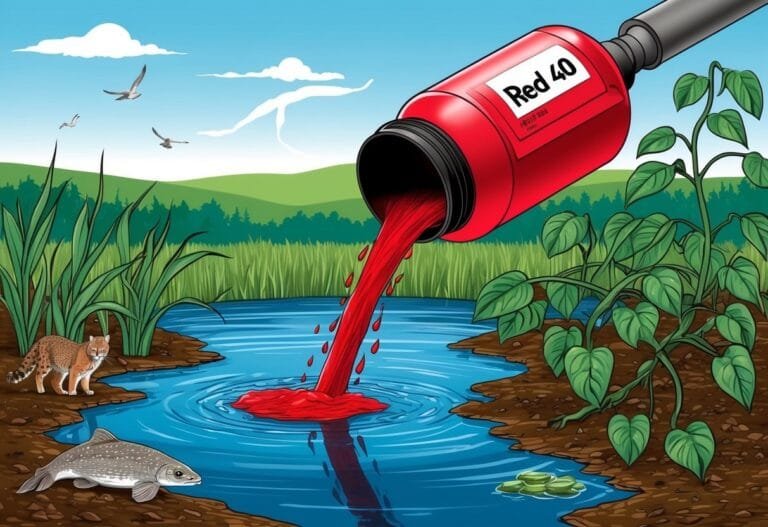
Red 40 is a widely used synthetic food dye in many products like candies, beverages, and cereals, but there are growing concerns and discussions about its potential health risks and safety, leading some places to consider bans, especially in children's food.

Tidal energy is a renewable energy sourced from the rise and fall of ocean tides, largely influenced by the moon's gravitational pull, and it's converted into electricity through technologies like tidal barrages and tidal turbines.

Lead is a dense, malleable, soft metal (Pb, atomic number 82), used in batteries, solders, and radiation shielding but reduced in use due to toxicity.
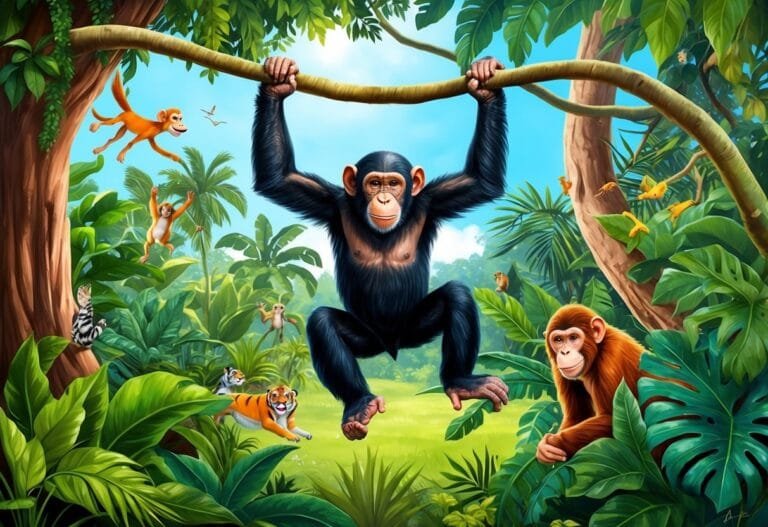
Chimpanzees, our closest relatives sharing 98% of our genes, are intelligent and social animals facing threats like habitat loss and hunting in Africa.

Black holes, formed from massive stars, are classified into stellar, intermediate-mass, and supermassive types.
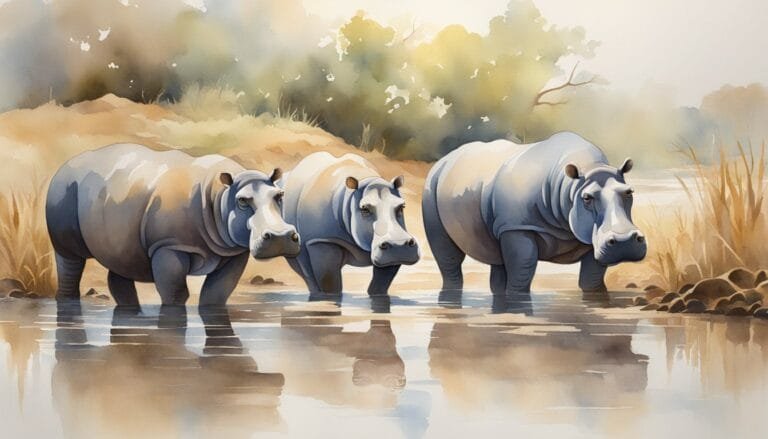
Hippos, massive and water-loving, play key roles in their ecosystems and display unique physical and behavioral adaptations.