Cassius Crocodile: Record Holder of the Largest Captive Croc

Cassius, the largest crocodile in captivity, symbolizes conservation efforts and cultural significance at Marineland Melanesia.

Cassius, the largest crocodile in captivity, symbolizes conservation efforts and cultural significance at Marineland Melanesia.

Octopuses are highly adapted cephalopods with unique features like flexible arms with suction cups, color-changing skin, excellent vision, three hearts, and a complex nervous system.
Dogs have evolved to understand human gestures better due to domestication, while wolves retain complex problem-solving skills vital for wild survival.
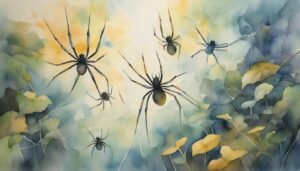
Flying spiders balloon using silk to catch wind and navigate air, exhibiting unique adaptations and impacting ecosystems.
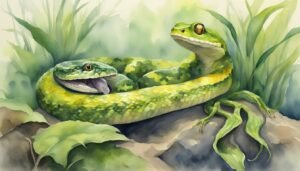
Venomous organisms inject toxins, while poisonous ones are harmful when touched or ingested.

Vampire legends may stem from diseases such as tuberculosis and rabies, historically misidentified as signs of vampirism.

Beluga whales are known for their white color and lack of a dorsal fin, thriving in Arctic regions and facing conservation challenges.
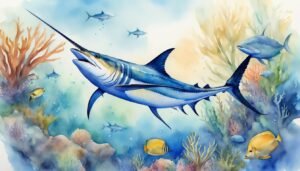
The blue marlin, a large carnivorous fish, exhibits unique physical traits and behaviors, is crucial for biodiversity, but faces threats from overfishing.
This article explores the biology, habitat, behavior, and scientific interest in the elusive giant squid, known scientifically as Architeuthis dux.
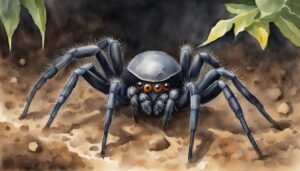
Funnel-web spiders, noted for their deadly venom and unique webs, are mainly found in Eastern Australia, showcasing significant biodiversity.