Ant Behavior: Understanding the Social Structure of Colonies

Ants are highly evolved insects, crucial to ecosystems, with diverse species, complex societies, and significant ecological roles.

Ants are highly evolved insects, crucial to ecosystems, with diverse species, complex societies, and significant ecological roles.

The human body is composed of around 37 trillion cells, each playing vital roles in system function and individual health.

African Grey Parrots are highly intelligent, known for mimicking speech, and require social interaction and varied diets.

The emperor penguin, adapted to Antarctica's harsh conditions, relies on specialized features and behaviors for survival.
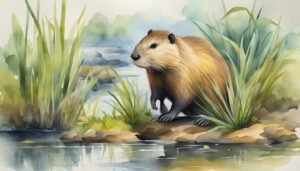
The nutria, or coypu, is an invasive, herbivorous semi-aquatic rodent from South America, causing significant ecological damage in wetlands.
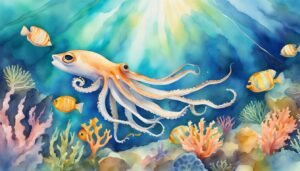
The article describes the anatomy, diversity, and ecological roles of squids in marine ecosystems.
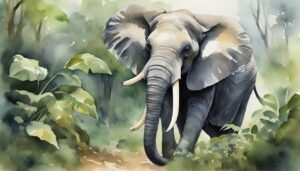
The African forest elephant, Loxodonta cyclotis, is a smaller, tusky subspecies crucial for seed dispersal in dense forests.

The shoebill stork, or Balaeniceps rex, is notable for its prehistoric look and unique shoe-shaped bill, inhabiting East Africa's wetlands.

The Asiatic lion, found only in India's Gir Forest, shows population growth due to extensive conservation efforts.

The Harp Seal is a well-adapted Arctic marine mammal crucial for its ecosystem, known for its unique coat and dependency on icy habitats.