Guanaco: An Introduction to the Graceful Camelid of South America
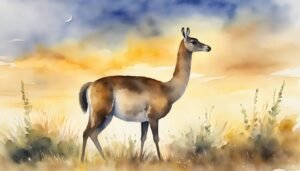
The guanaco is a resilient South American camelid vital to its high-altitude ecosystems, closely related to llamas and camels.

The guanaco is a resilient South American camelid vital to its high-altitude ecosystems, closely related to llamas and camels.
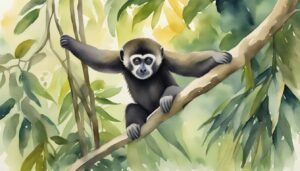
Gibbons are agile, monogamous tree-dwellers known for their unique vocalizations and brachiation, facing threats like deforestation and poaching.

Jean Hilliard miraculously survived severe hypothermia after being found frozen in Minnesota, challenging medical understandings of human resilience.

Hornbills, from the Bucerotidae family, display diverse sizes and vibrant feathers, inhabit varied ecosystems, and face survival threats.

Understanding leatherback turtle biology, including their migratory patterns, diet, and unique physiology, is vital for their conservation.

The bombardier beetle defends itself by ejecting a hot chemical spray, involving a rapid mix of hydrogen peroxide and hydroquinone.

Yes, goosebumps play a role in hair growth by activating hair follicle stem cells through the contraction of the arrector pili muscle in response to cold temperatures or emotional triggers.

The Taiji dolphin hunt in Japan involves capturing and slaughtering dolphins, driven by tradition and economic factors, and criticized globally for its ecological and ethical impact.

This article examines the alligator snapping turtle, covering its taxonomy, physical traits, diet, habitat, and conservation issues.

Alaska's diverse crab species, including the snow crab and red king crab, play vital roles in the region's ecology and economy.