Giant Clam Conservation: Safeguarding the Ocean’s Gentle Giants

Giant clams are the largest bivalve molluscs, vital to coral reef ecosystems, and form symbiotic relationships with algae.

Giant clams are the largest bivalve molluscs, vital to coral reef ecosystems, and form symbiotic relationships with algae.
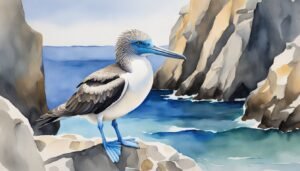
Boobie birds, large seabirds from the Sulidae family, exhibit various adaptations for diving and hunting in tropical seas.

Right whales are identified by their large size, unique mouth shape, callosities, and lack of a dorsal fin.

The dboots Copperhead 2 tires enhance remote-controlled vehicle performance with their durable design and improved traction.

The article explores the biology of the basking shark, including its anatomy, diet, reproduction, and threats to its conservation.

Prairie dogs are social rodents, vital as ecosystem engineers in North American grasslands, known for their complex burrows and key species role.

The sailfish, noted for speed and a sail-like fin, excels in oceanic habitats adapted for rapid hunting and inhabits warm Atlantic and Indo-Pacific waters.
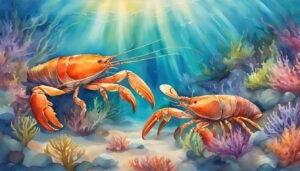
Lobsters display various colors due to genetics and biological factors like protein interactions with the pigment astaxanthin.
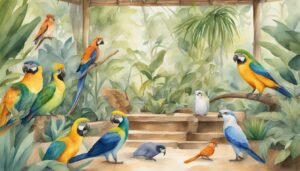
This article outlines the complexity of keeping exotic animals, focusing on their conservation, legal issues, and care needs.
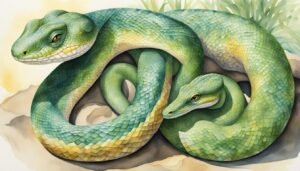
Lizards and snakes, both from Squamata, share evolutionary traits, habitats worldwide, and adaptations reflecting their reptilian lineage.